
Tips for successfully negotiating a reduced APR on your credit card
If the APR (Annual Percentage Rate) on your credit card feels like it’s eating away at your finances, that’s because it really is.

High interest rates can quickly cause your debt to balloon, making it more difficult to clear your balances. Whether you carry a balance month after month or are simply trying to better manage your expenses, the APR has a direct impact on how much you end up paying overall.
Many people don’t realize that the APR isn’t fixed forever. Although lenders set rates based on your credit profile and market trends, you can still initiate a discussion about reducing it.
This guide provides actionable steps to help you confidently reach out to your credit card issuer. While there are no guarantees, these tips can improve your chances of securing a better rate.
Why do credit card APRs matter?
The APR represents the cost you pay to borrow money on your credit card. If you don’t clear your full balance each month, the APR dictates the interest charged. A higher APR means more of your payments go toward interest instead of reducing your principal.
These are some typical factors that can cause your APR to be higher than expected:
- Your credit score was lower at the time of application.
- Rising interest rates due to economic shifts.
- Previous missed payments on your account.
Reducing your APR can lower the expense of carrying a balance, leaving more funds available for savings, emergencies, or other financial goals.

Credit card
Credit card mistakes that keep you in debt
Learn how to avoid them.
LEARN MORE * You will remain on the current website5 key steps to negotiate a lower APR
1. Review your current financial position
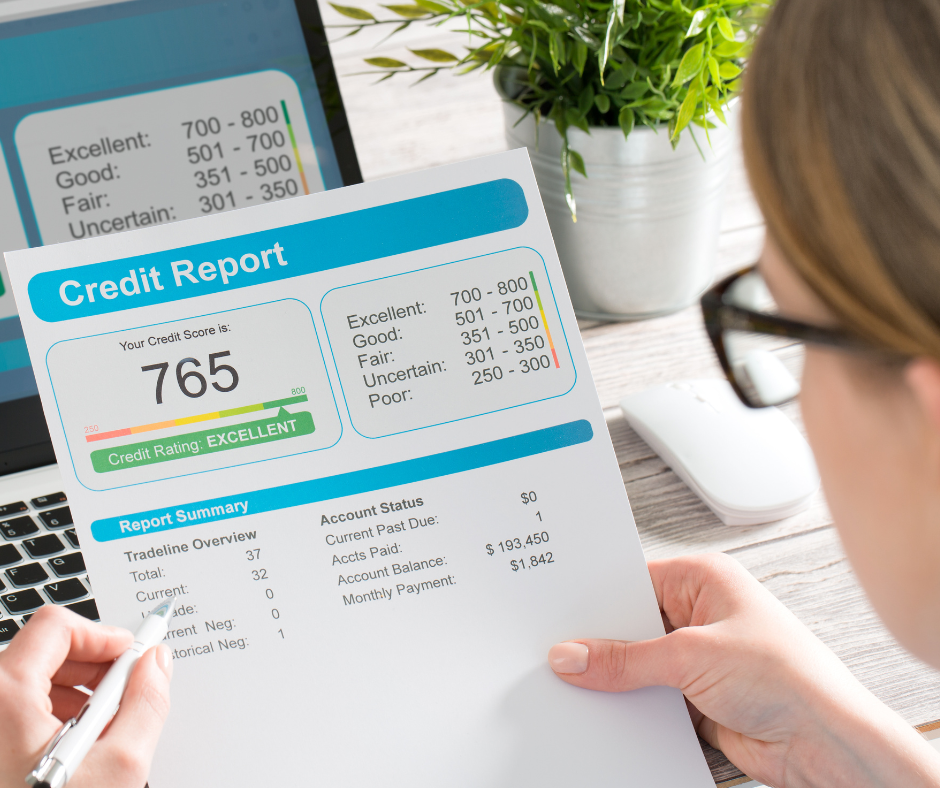
Begin by examining your credit report and checking your current credit score. If your score has gone up since you first got your card, you could have stronger grounds to negotiate. Also, consider your payment record with the issuer—consistent on-time payments strengthen your case.
2. Compare APR offers from other cards
Before reaching out, look up APRs offered by rival credit card providers. Having this information handy can help you justify why your current rate feels uncompetitive when you talk to your issuer.
3. Get your pitch ready
When talking to customer service, stay courteous yet confident. Highlight your good track record as a customer, any improvements in your credit score, and mention that you’re exploring other cards with lower APRs.
Here’s a simple example you might use: “I’ve been a loyal customer for X years, and I’ve noticed my APR is higher than many competitors’ offers. I’d like to see if there’s a chance to lower my APR based on my current credit status.”
4. Place the call
Dial the customer service number found on the back of your credit card. Request to be connected with the retention or account services team, as they usually handle requests for rate adjustments.
Credit card
Credit Score vs. Credit Report
What you need to know before applying.
LEARN MORE * You will remain on the current website5. Prepare for any response
Your card issuer might approve your request, offer a compromise, or deny it. If they refuse, inquire about what actions you can take next, such as boosting your credit score or exploring other cards they provide with lower APRs.
What happens if they decline?
Even after putting in your best effort, you might still face a rejection. If that’s the case, think about your next steps carefully.
- Move your balance to a card offering a lower introductory APR (be mindful of fees).
- Consider personal loans with lower interest to consolidate your debt.
- Develop a payment plan that reduces interest charges over time.
You don’t have to accept your APR as permanent
Addressing your APR might feel daunting, but taking deliberate action can improve your financial situation significantly.
Even if your request isn’t granted right away, opening the dialogue demonstrates your commitment to managing your money wisely. Additionally, gaining insight into how APR works equips you to make smarter financial decisions down the line.