
Down Payment Assistance Programs: Eligibility Criteria and Application Process
Down payment assistance programs have become vital resources for many hopeful homeowners, particularly first-time buyers who find it difficult to save enough money.
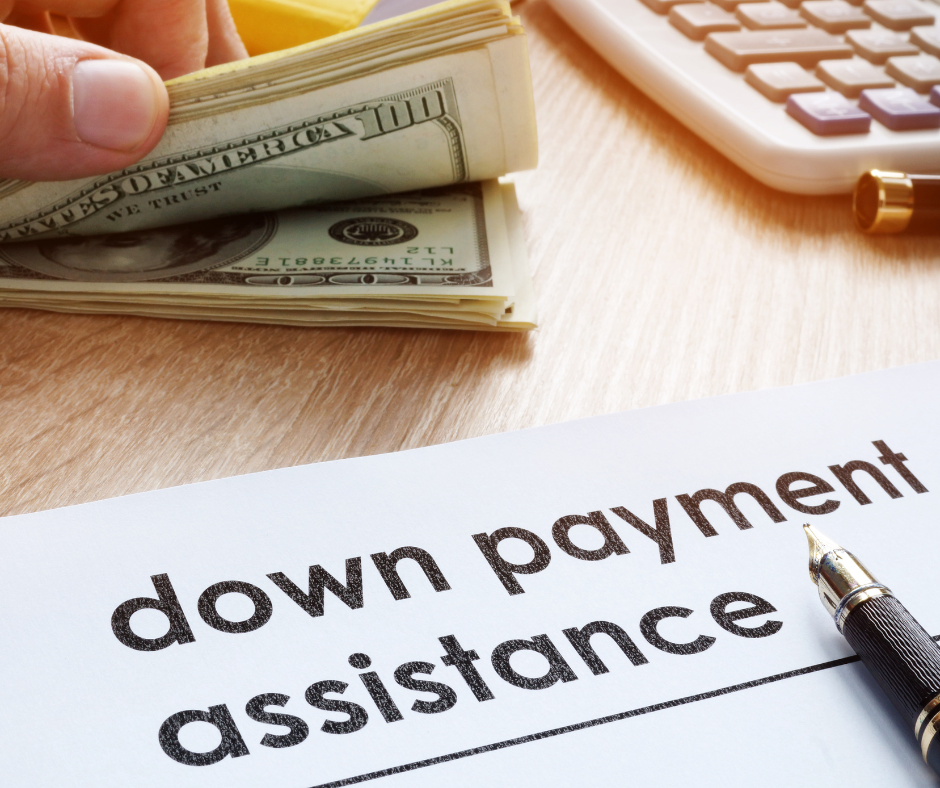
As home prices rise and wages don’t always keep up, the thought of setting aside 10% or even 20% of a home’s price for a down payment can feel unattainable. These programs exist to close that gap and help qualified buyers turn homeownership into a feasible goal.
What exactly are down payment assistance programs?
Down payment assistance programs (DPAs) provide financial aid to cover part—or sometimes all—of a home’s down payment or closing expenses. These programs are usually offered by government housing agencies, nonprofits, or community development organizations.
Here’s a basic overview of how they operate:
- Grants: money you receive that never has to be paid back.
- Forgivable loans: loans forgiven after a certain time if you meet specific conditions, like living in the home.
- Deferred-payment loans: loans without monthly payments, repaid only when you sell, refinance, or finish your mortgage.
- Low-interest second mortgages: loans you pay monthly but at a lower interest rate.
Each option comes with its own set of rules, so it’s crucial to review all details before deciding.

Mortgage financing
The 28/36 rule explained
How much house can you really afford?
LEARN MORE * You will remain on the current websiteWho is eligible for these programs?
Eligibility varies, but most down payment assistance programs focus on helping those with the greatest need. Typical criteria include:
- First-time buyer status: usually means not owning a home within the past three years, though some programs allow repeat buyers under certain conditions.
- Income restrictions: many initiatives focus on low to moderate income families, based on a percentage of the local area median income (AMI).
- Credit standards: perfect credit isn’t required, but most programs set a minimum credit score, commonly 620 or above.
- Property criteria: the home usually must be your main residence, not a rental or vacation property.
- Mandatory education: many programs require completion of a homebuyer course covering budgeting, upkeep, and mortgage basics.
Certain programs may also prioritize applicants from specific groups, including veterans, educators, or those working in public service.
Steps to apply for down payment assistance programs
Though the application might seem overwhelming initially, breaking it into smaller steps can make it easier to handle:
- Explore local programs: begin with your state or municipal housing authority’s website, where you can often find eligibility tools.
- Partner with an experienced lender: choose a lender familiar with DPA programs who can guide you through the steps.
- Take a homebuyer education course: this is often required and usually available at low or no cost.
- Gather necessary paperwork: be ready with proof of income, recent tax documents, bank statements, and credit reports.
- Submit early: funding is limited and competitive, so applying promptly with a complete application boosts your chances.

Mortgage financing
Fixed-rate vs. Adjustable-rate mortgages
Which is safer for your budget?
LEARN MORE * You will remain on the current websiteTransforming obstacles into possibilities
While down payment assistance programs don’t promise you’ll own a home, they can provide a significant boost. If money challenges are holding you back, these programs could be the key that helps you stop renting and start building equity in your own property.
Check out the programs available near you. You might be closer to owning a home than you realize.